
Someone saw what others could not
Long before the records, world tours and global stages, Apl.de.Ap was Allan Pineda Lindo - a child growing up in the farming community of Sapang Bato in Pampanga, the Philippines.
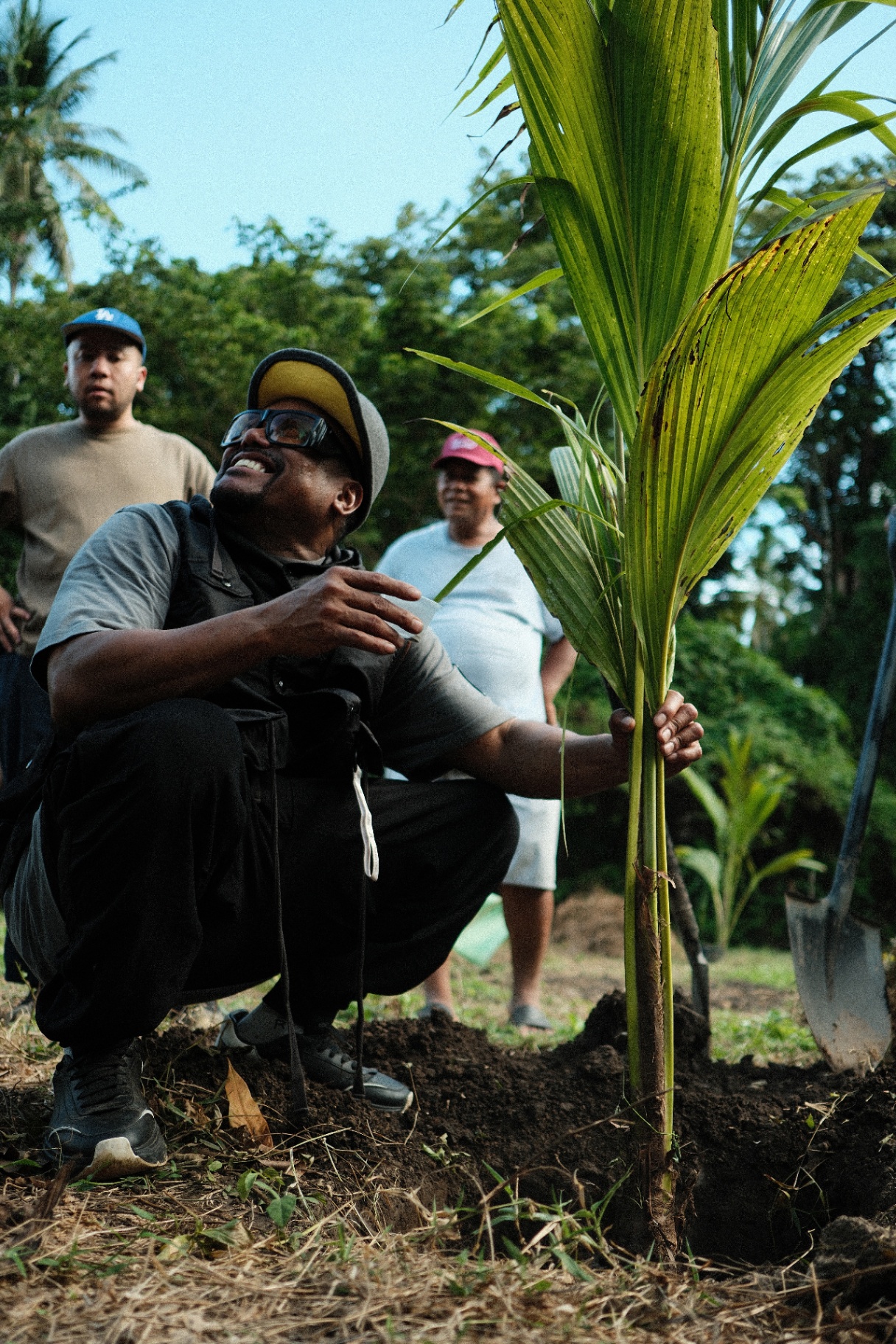
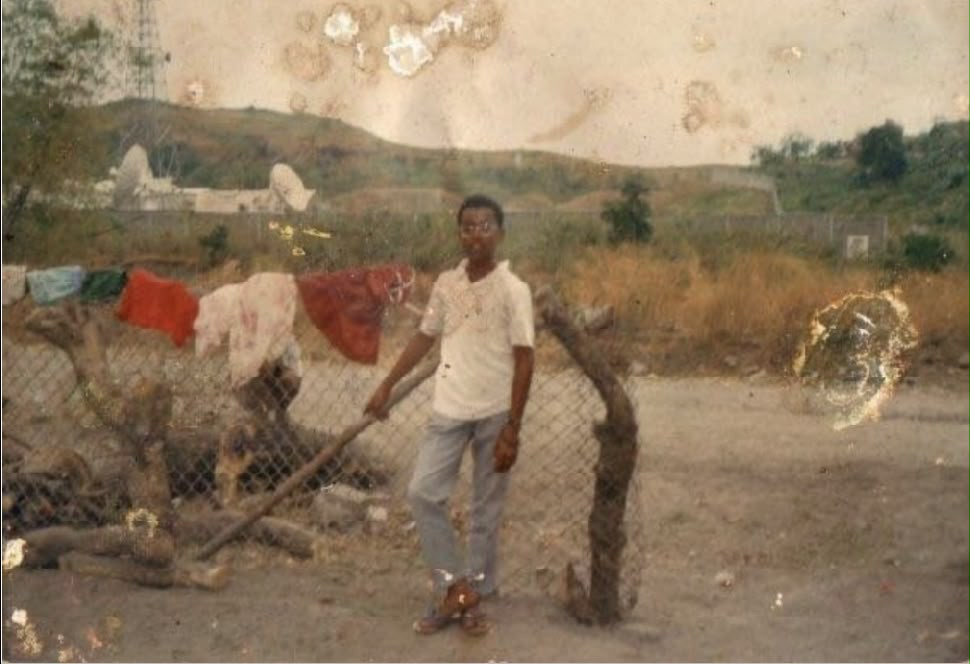
He grew up close to the land, helping his family farm and learning early that food, work and family were inseparable. Life required resourcefulness. What the family had came from what they could grow, earn and build together.
Apl was also born with nystagmus, an eye condition that causes involuntary eye movement and severely limited his vision. For much of his life, he was legally blind.
School was difficult. The system wasn't equipped to accommodate his disability or recognize how much potential existed behind it. Like countless children in overlooked communities, Apl's future was being shaped by circumstances he hadn't chosen: where he was born, what his family could afford and whether the support he needed happened to reach him.
Then someone saw him.
Through the Pearl S. Buck Foundation’s dollar-a-day sponsorship program, Apl was matched with Joe Ben Hudgens, an American lawyer who began supporting his healthcare and education.
At 11, that support brought Apl to the United States for treatment for his eyesight. He returned to the Philippines afterward, but his connection with Joe endured. Three years later, Joe adopted him, and Apl moved permanently to Los Angeles.
The move opened the door to a new future, but it also required Apl to leave behind nearly everything he knew—his mother and siblings, his language, and the rhythms of the farming community that had raised him. He arrived in a new country with limited English, impaired vision and no certainty about what would come next.
Finding a brother - and a shared language
While Joe was at work, Apl often stayed with a family friend whose son, Will Adams, was the same age. Will would later become known to the world as will.i.am.
What began as a practical arrangement became one of the defining relationships of Apl's life.
At first, the two boys could barely speak to one another. Apl was still finding his footing in a new country and a new language. But he and Will did not need many words to recognize something in each other. They connected through dance, rhythm and hip-hop, building a friendship through movement and music before conversation came easily.
In Will, Apl found more than a friend. He found someone with whom he could grow, create and belong. They encouraged one another, challenged one another and began imagining a future neither could have reached alone. Over time, their friendship became a brotherhood - one that would carry them through uncertainty, disappointment, success and decades of life together.
Music became their shared language and a place where Apl's differences were not limitations. They practiced wherever they could, performed whenever they had the chance and began turning their friendship into a creative partnership.
Their first group, Atban Klann, earned a deal with Ruthless Records, the label founded by Eazy-E. It appeared their breakthrough had arrived, but the group's planned album was never released.
They kept going - together.
The early years required persistence: rehearsing, performing in small venues, developing a sound and rebuilding after disappointment. Atban Klann evolved, and Apl and will.i.am joined with Taboo to form the Black Eyed Peas.
The group released Behind the Front in 1998 and Bridging the Gap in 2000. The albums established their voice and earned respect, but global success was still years away.
That changed with Elephunk in 2003.
"Where Is the Love?" carried the Black Eyed Peas around the world. The albums and hits that followed - including Monkey Business, The E.N.D., "Let's Get It Started," "Don't Phunk with My Heart," "I Gotta Feeling" and "Boom Boom Pow" - turned the group into one of the defining global music acts of its generation.
The Black Eyed Peas would go on to win six Grammy Awards and perform on some of the world's largest stages.
But even as the stages grew, Apl's connection to the Philippines remained central to his identity and his work.
On "The APL Song," he told the story of his childhood, his family and the distance between the life he had left and the life he was building. On "Bebot," he celebrated Filipino language, culture and pride before a global audience.
He wasn't trying to leave his past behind. He was bringing it with him.
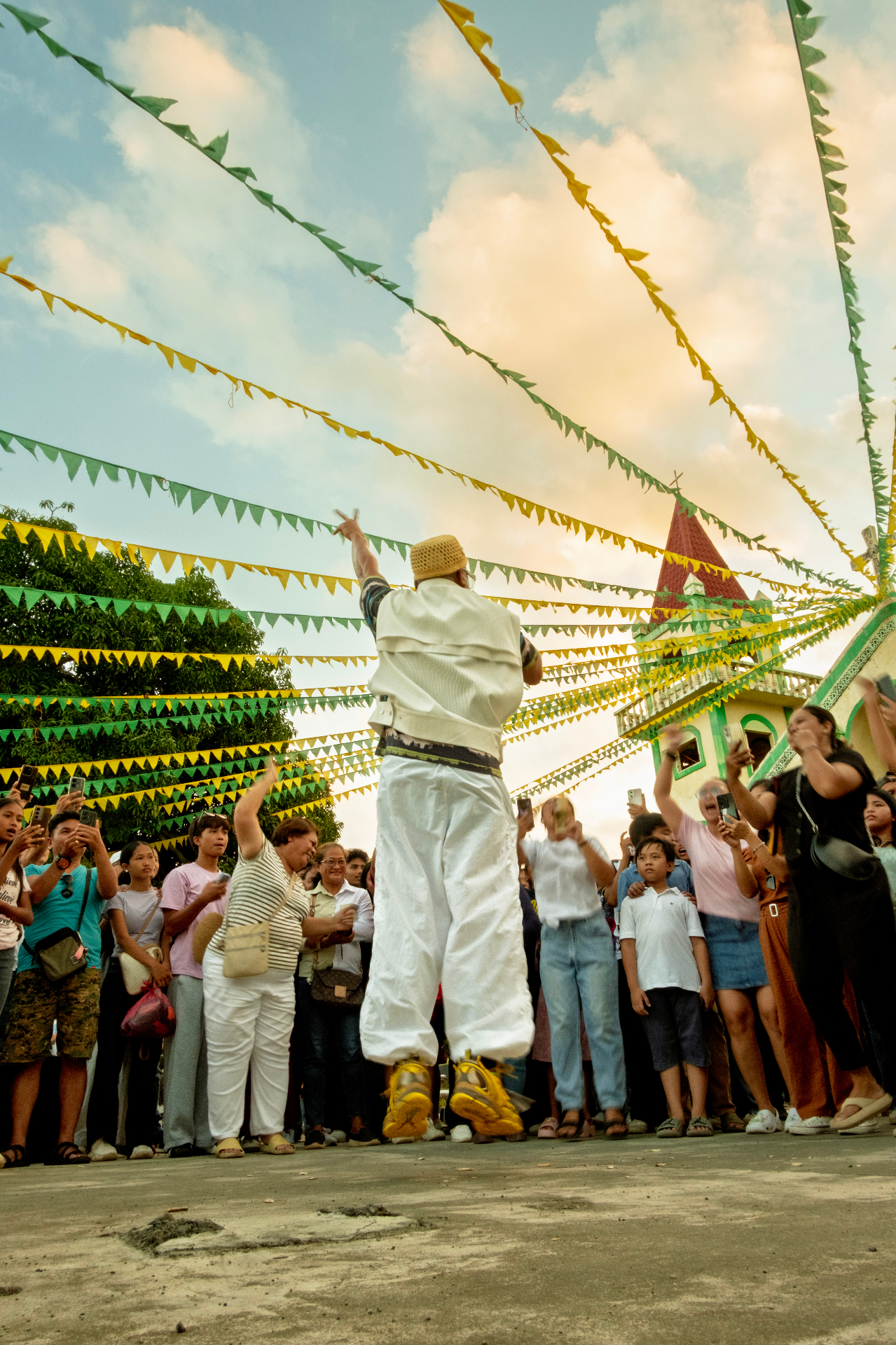
Returning with more than success
Apl's journey gave him a public platform, but it also left him with a question:
What happens to the children whose potential is never seen?
His life hadn't changed because he suddenly became more talented at 11 or more deserving at 14. The potential had always been there. What changed was that healthcare, education, family support and opportunity reached him at the moment he needed them.
That understanding became the foundation of his philanthropic work.
Over the years, Apl has supported education, healthcare, vision care, young people, disaster response and community initiatives in the Philippines and beyond. The work has taken different forms as needs changed and the foundation evolved, but the belief behind it has remained constant.
A child's future should not depend on chance.
A family should not have to choose between meeting an immediate need and building a better future.
And rural communities should not have to lose their people for those people to find opportunity.
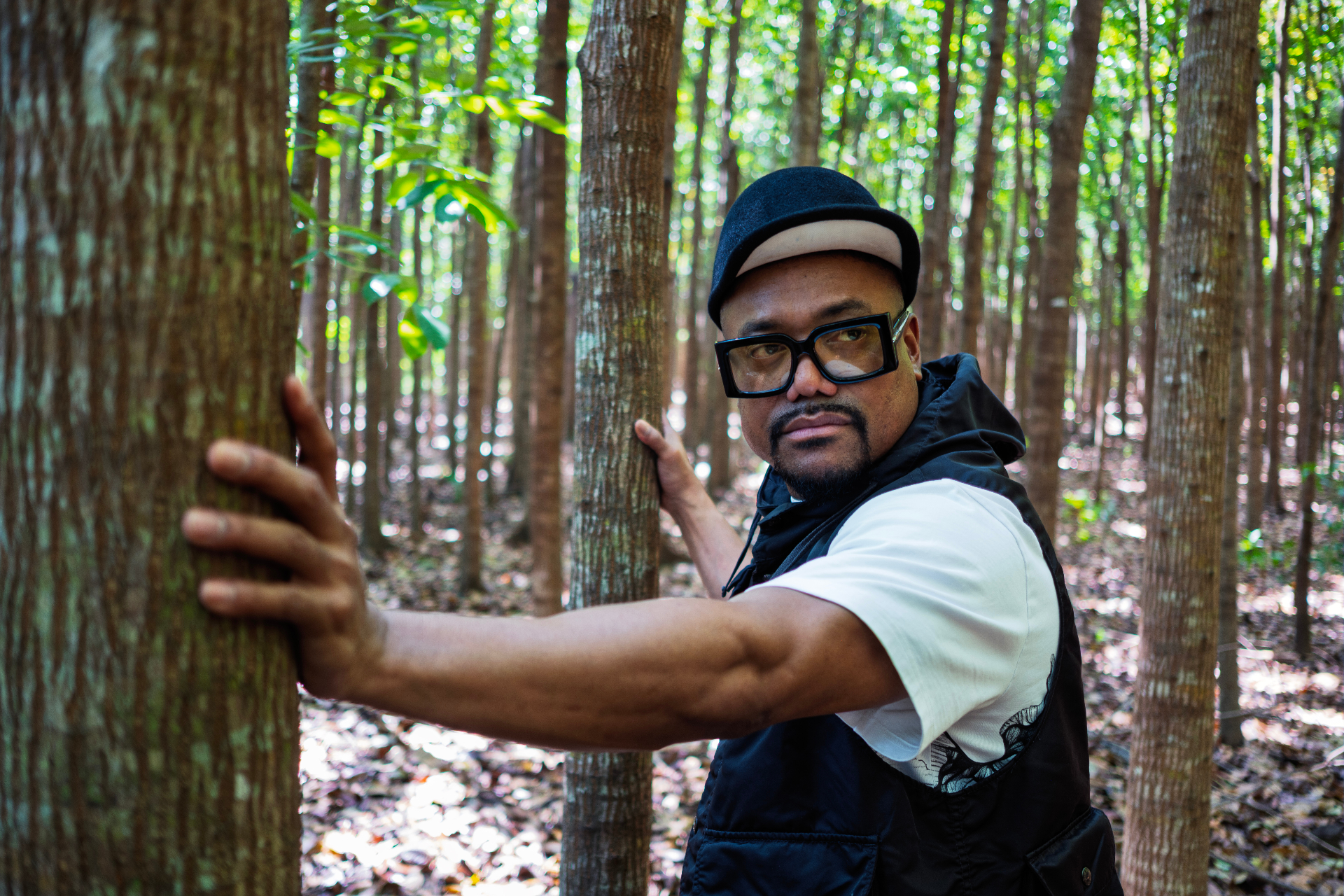
Why APLFI exists
APLFI exists because Apl's story is remarkable - but it should not have to be rare.
His journey shows what becomes possible when a child is seen, healthcare is accessible, a family is supported and opportunity arrives in time. It also reveals how much potential is lost when those things don't come together.
The lesson of Apl's life is not that every rural child should leave home and rise to a global stage.
It is that every child deserves a strong start.
Every woman and caregiver deserves the support and agency to help a family thrive.
Every family deserves access to nutritious food, healthcare and a sustainable livelihood.
And every community deserves the local knowledge, institutions and capacity to shape its own future.
That is why APLFI works across generations. The foundation supports the conditions that allow rural children, women, families and communities to thrive - from early childhood and disability inclusion to food security and resilient livelihoods.
The goal is not to prescribe one path or ask people to escape where they come from. It is to help create communities where more people have a genuine choice: the health to learn, the support to grow, the skills to participate and the opportunity to build a future where they are.
Apl's life changed because someone saw what was possible in him.
APLFI exists to help build a world in which being seen - and being given a chance - is no longer a matter of luck.
Potential is everywhere. Opportunity should be too.