
Apl of My Eye
A thirteen-year effort to end preventable childhood blindness in the Philippines by putting diagnostic equipment and trained doctors where the babies actually are.
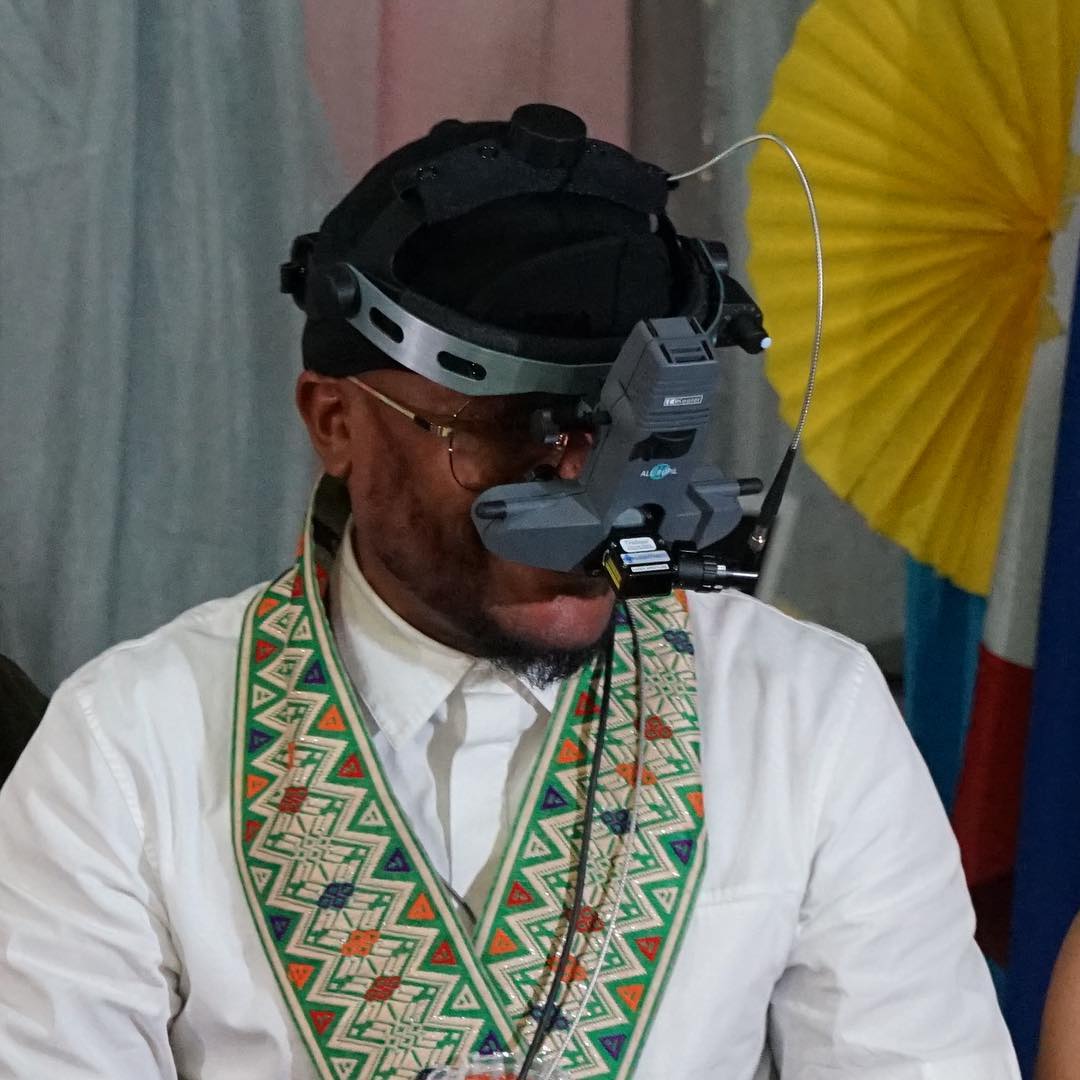
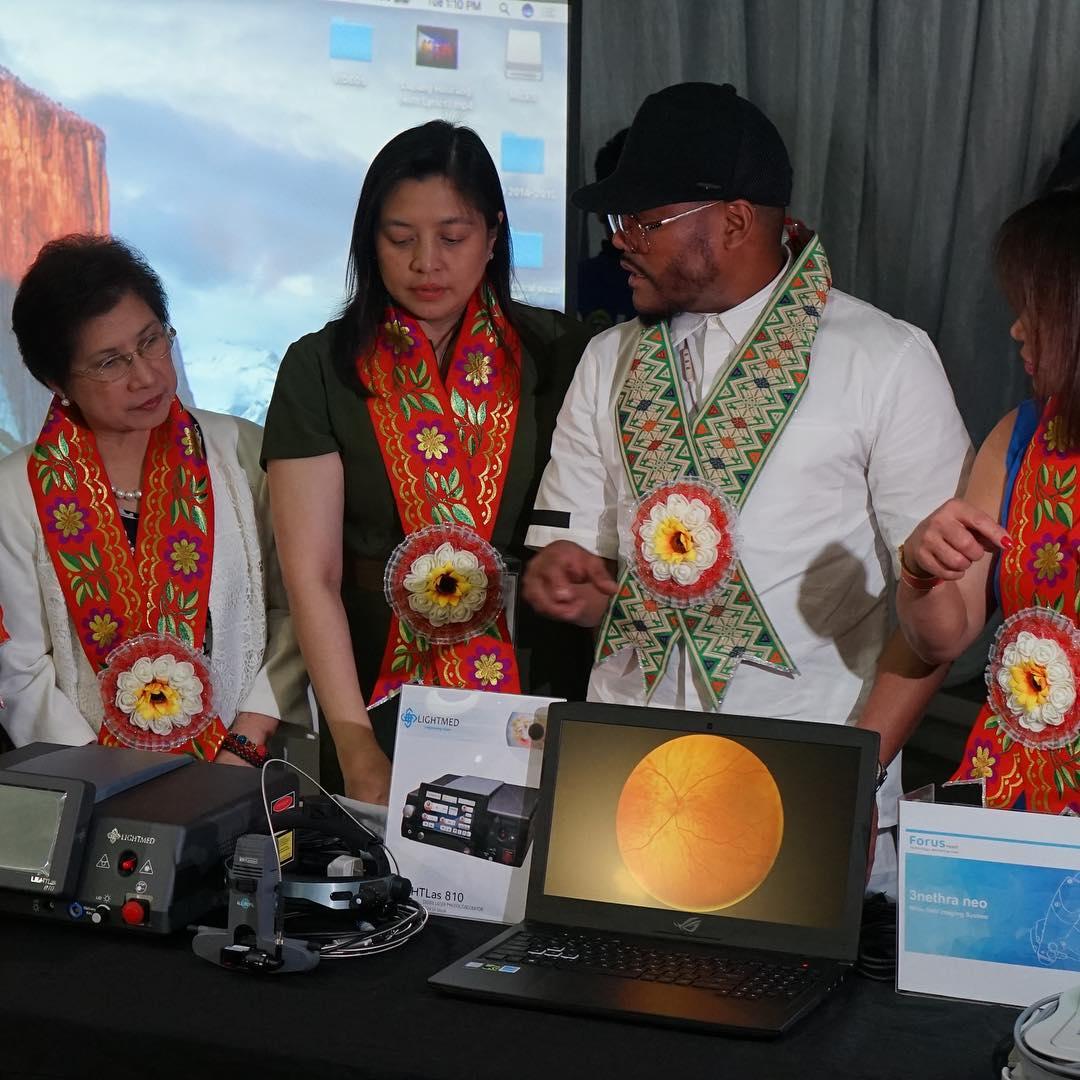
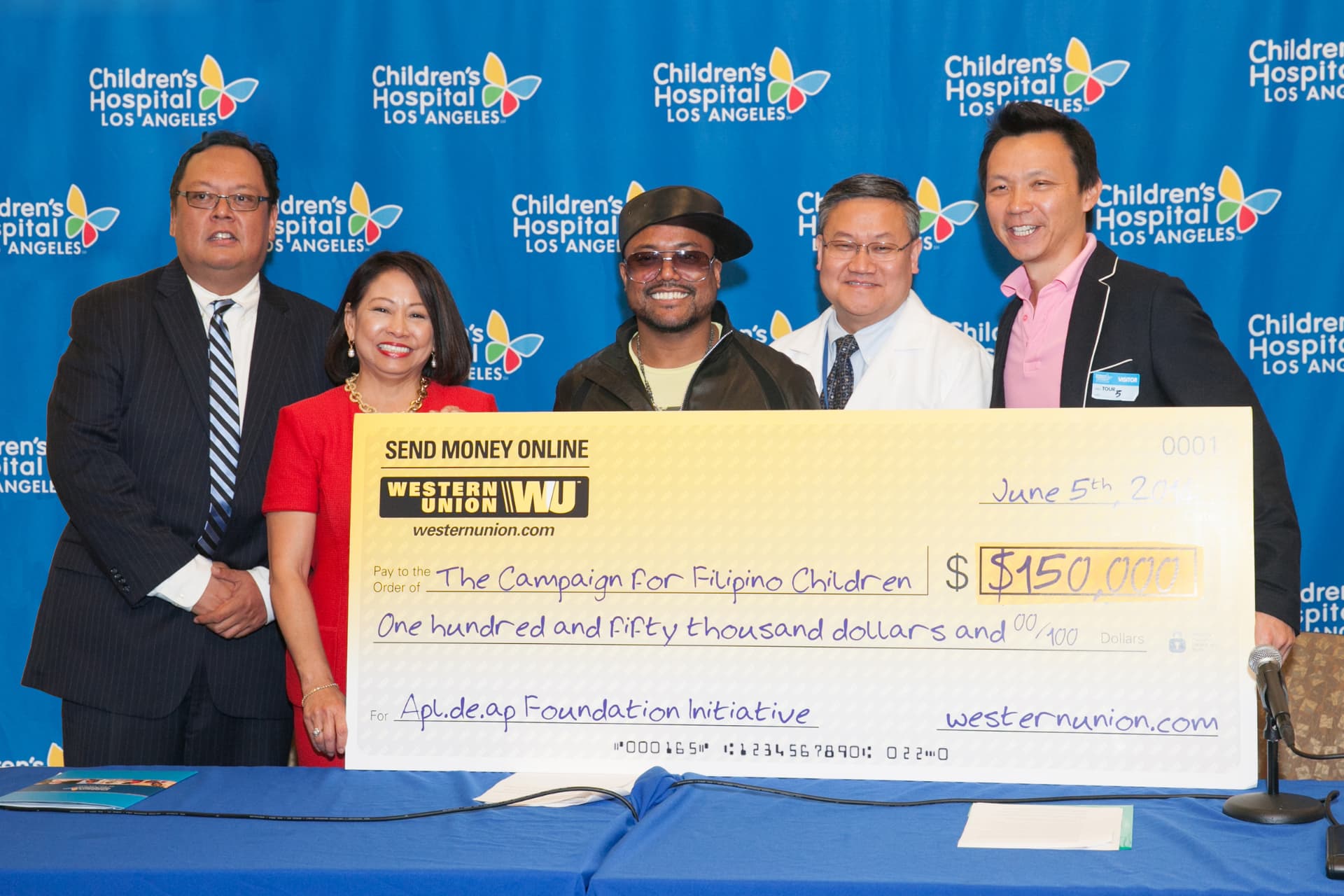
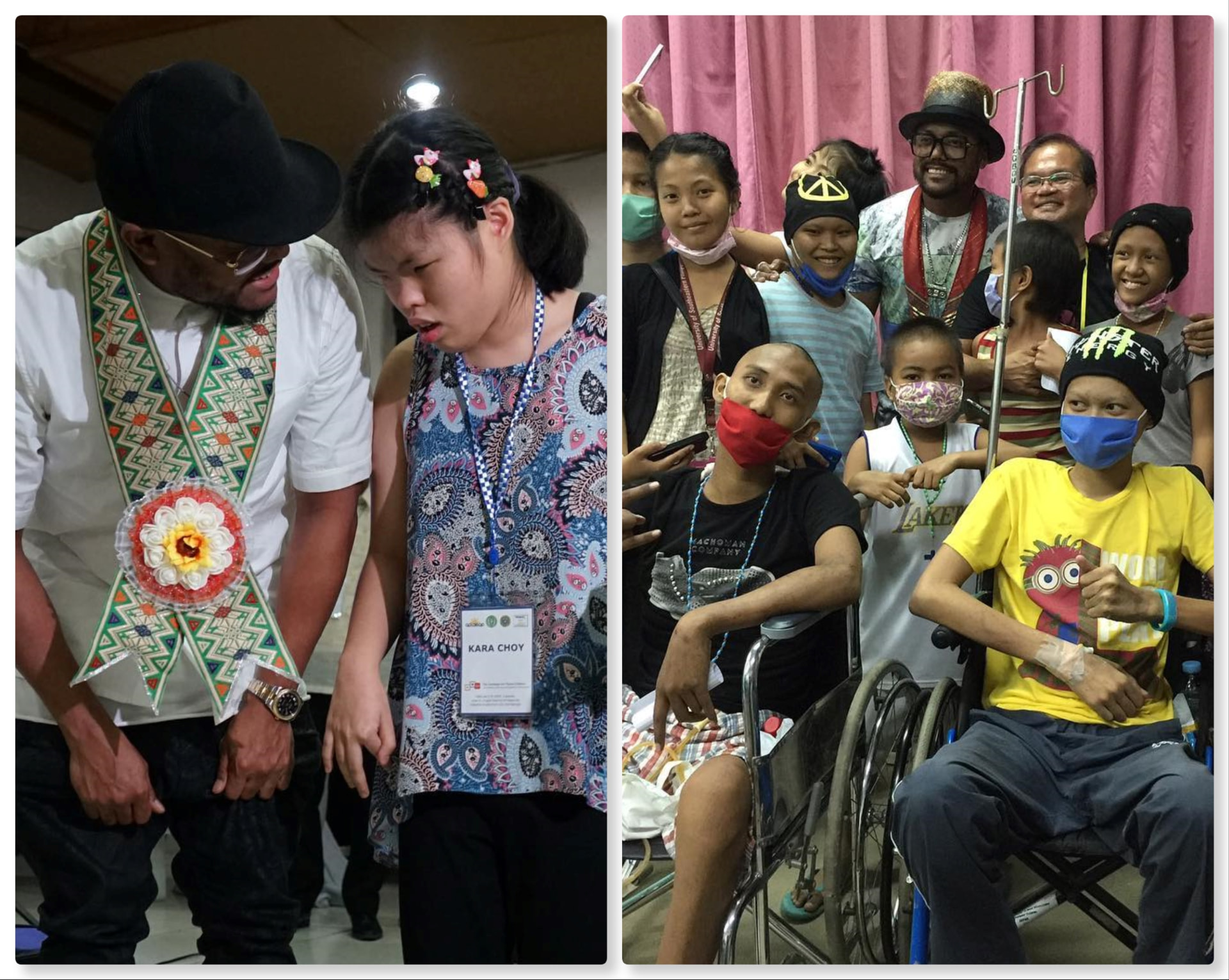
Apl of My Eye is the longest-running project of Apl.de.Ap Foundation International and the founding effort of the Campaign for Filipino Children, our children's health initiative. It began in 2013 and it is not finished.
It addresses retinopathy of prematurity, or ROP, a leading cause of childhood blindness that affects the developing eyes of babies born too early. With timely diagnosis, it is largely preventable. What stands between a premature Filipino baby and permanent blindness is not a cure that has yet to be invented. It is a camera in the room and a doctor who knows how to read what it shows. In 2013, every retinal imaging camera in the country was in Manila, and so was every doctor trained to use one. The window for treating ROP is measured in days. For families outside the capital, it simply closed.
This work is personal to Apl.de.Ap. Born in a farming community in Pampanga with nystagmus, he is legally blind. His condition was not preventable. But he grew up knowing what it costs a child to move through the world without clear sight, and what it means when care is hundreds of kilometers away. The children this project reaches have something he did not: a condition that can be caught in time.
The model came from Dr. Thomas Lee, Director of the Vision Center at Children's Hospital Los Angeles, who had already proven it in Armenia - place retinal cameras in regional hospitals, train local physicians, connect them to specialists abroad. The first system was installed in Davao City in 2015. The second went to Pampanga in 2019, Apl's home province. Dozens of Filipino doctors have been trained, and the Philippine Academy of Ophthalmology has recommended ROP training be added to the national curriculum for ophthalmology residents. That step matters most. Equipment can be donated. But when a national medical academy changes what every new ophthalmologist learns, the capacity no longer depends on us.
The third and final camera is destined for Iloilo, in the Western Visayas. It completes the plan drawn up more than a decade ago: Mindanao, Luzon, and the Visayas, each with a regional center able to screen and treat the babies born around it. Fundraising for this installation is underway now.
Supporting Apl of My Eye means finishing something rather than starting it. It means a baby born in Iloilo gets the same chance as a baby born in Manila. It means Filipino doctors, trained here, treating patients here, for the length of a career. Rural communities cannot build prosperous futures without healthy citizens, and a child who can see is a child who can learn.